Oven and kitchen cleaning Pinner Road flats tips
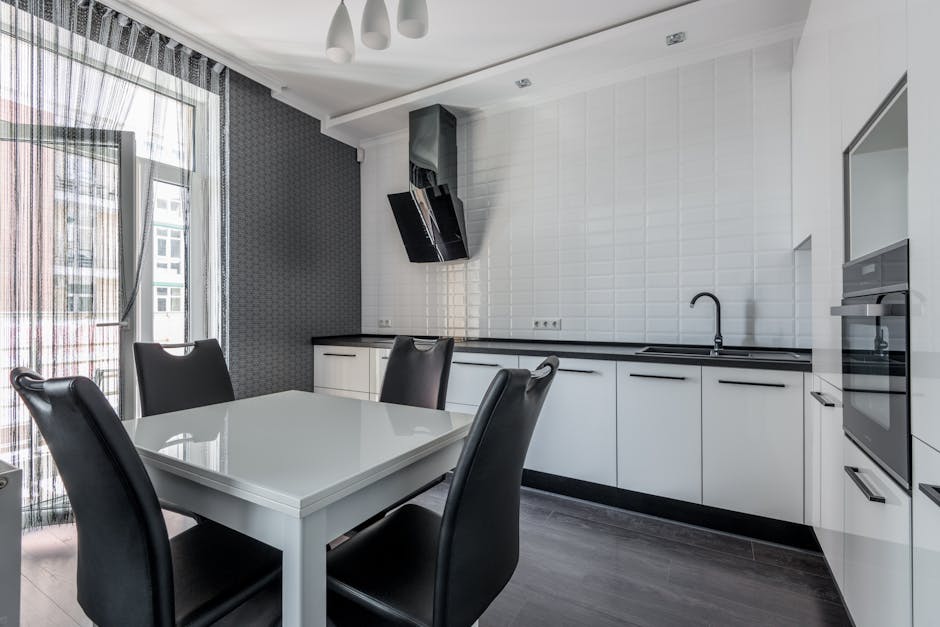
If you live in a flat on or around Pinner Road, you already know the kitchen can get messy fast. A bit of frying here, a bake there, and suddenly the oven door is sticky, the hob has splatters, and the extractor feels like it has had a long week. These oven and kitchen cleaning Pinner Road flats tips are built for real homes, real time pressures, and the slightly awkward layouts that flats often have. Whether you are doing a quick spruce-up before guests arrive or tackling a proper deep clean, the goal is the same: a kitchen that feels fresh, works better, and does not nag at you every time you walk in.
Truth be told, kitchen cleaning in flats is a different beast from cleaning a larger house. Space is tighter, ventilation can be limited, and one neglected oven can make the whole room smell off. This guide walks you through what matters, how to do it properly, and when a professional clean may be the smarter option. Along the way, you will find practical tips, a comparison table, a checklist, and a few locally sensible pointers that fit the way people actually live in London flats.
Why Oven and kitchen cleaning Pinner Road flats tips Matters
A clean kitchen is not just about appearance. In a flat, especially one with a compact galley or open-plan layout, cooking residue spreads faster than people expect. Steam, grease, food odours, and airborne oil particles settle on cupboards, tiles, extractor filters, and even the inside of the oven. Leave it too long and you get that dull, grimy film that is strangely hard to shift. You know the one.
Good cleaning matters because it helps you avoid a cycle of build-up. Grease becomes sticky, sticky becomes baked-on, and baked-on grime becomes the sort of job you keep putting off. That's where these oven and kitchen cleaning Pinner Road flats tips become genuinely useful. They are not about chasing perfection. They are about making the job manageable, safer, and less time-consuming the next time around.
There is also the comfort factor. A clean oven heats more evenly, a clean hob is easier to use, and a clean sink area makes everyday cooking feel calmer. In a flat, where the kitchen might also be your dining space, utility area, and social corner all in one, that matters more than people admit.
Expert summary: the smartest way to keep a flat kitchen under control is to clean a little, often, and deep-clean only where build-up demands it. That rhythm beats heroic once-a-year scrubbing almost every time.
How Oven and kitchen cleaning Pinner Road flats tips Works
The basic method is simple: break the kitchen into zones, remove loose debris first, then deal with grease, then detail the stubborn areas. Oven and kitchen cleaning works best when you clean in the right order. If you scrub the oven first and then wipe dusty cupboards, you are just creating extra work. Not ideal, frankly.
In a flat kitchen, the sequence usually looks like this:
- Clear surfaces and put away food, small appliances, and loose items.
- Pre-soak or loosen grease on the oven, hob, splashback, and extractor.
- Wipe high surfaces first so dust and crumbs do not fall onto areas you have already cleaned.
- Clean the oven interior, racks, door glass, and seals carefully.
- Finish with sinks, worktops, cupboard fronts, handles, and floors.
The order matters because kitchen dirt behaves in layers. Light dust, food crumbs, and grease all respond differently. A good routine uses the right cleaning action for each layer instead of attacking everything with one product and a hopeful expression.
In smaller flats, ventilation is part of the process too. Open windows if you can, switch on the extractor, and avoid mixing products. If a room feels closed in, cleaning fumes linger longer than you would like. A bit of airflow makes the whole job easier and far more comfortable.
Key Benefits and Practical Advantages
When done properly, kitchen and oven cleaning brings practical benefits that show up every day. The most obvious is appearance, but there is more going on beneath the surface.
- Better hygiene: leftover food residue and grease can create unpleasant smells and attract pests if ignored for too long.
- Improved cooking performance: ovens that are cleaner often heat more evenly and are easier to monitor.
- Less odour: old grease and burnt spills produce that stubborn smoky smell that seems to sit in curtains and soft furnishings.
- Lower fire risk from build-up: while everyday kitchen use is normal, excessive grease around ovens and hobs is not something to leave indefinitely.
- More usable space: in a flat, every square metre counts. A tidy kitchen feels bigger, even if the floorplan says otherwise.
- Easier tenancy handovers: if you are moving out, a clean oven and kitchen can make the difference between a smooth inspection and a stressful follow-up clean.
There is also a psychological benefit people do not talk about enough. A clean kitchen reduces the background irritation of seeing mess every time you boil a kettle. Small thing, maybe. But it adds up.
Who This Is For and When It Makes Sense
These tips are useful for tenants, landlords, homeowners, and letting agents dealing with flats on Pinner Road or nearby. They are especially handy if your kitchen gets regular use but not always regular deep cleaning. That covers a lot of people, to be fair.
You may need a focused oven and kitchen clean if any of the following sounds familiar:
- You can see grease build-up on the oven door or around the hob.
- The extractor smells stale or seems to be collecting oily dust.
- Food spills have hardened inside the oven or on trays.
- Cabinet handles, kickboards, and switches feel tacky.
- You are preparing for a move-out inspection or guest visit.
- Cooking smells linger longer than they should in a small flat.
It also makes sense if you simply do not want a full weekend lost to scrubbing. Some people enjoy deep cleaning. Others would rather do almost anything else. Fair enough. The right approach is the one that keeps the kitchen under control without draining your energy.
Step-by-Step Guidance
If you want a practical routine, use this sequence. It works well in compact flat kitchens because it keeps the mess contained and avoids doubling back.
1. Clear the room first
Take small appliances, chopping boards, stools, and loose bits off worktops. Put food away and empty the sink. The less clutter you have, the fewer surfaces you accidentally miss. This first step sounds basic, but it saves time immediately.
2. Start from the top
Dust or wipe the tops of cupboards, extractor hoods, light switches, and high ledges before cleaning lower surfaces. Gravity is not your friend here. If you do lower areas first, bits will just fall back down and you will mutter under your breath for no reason other than physics.
3. Tackle the oven interior
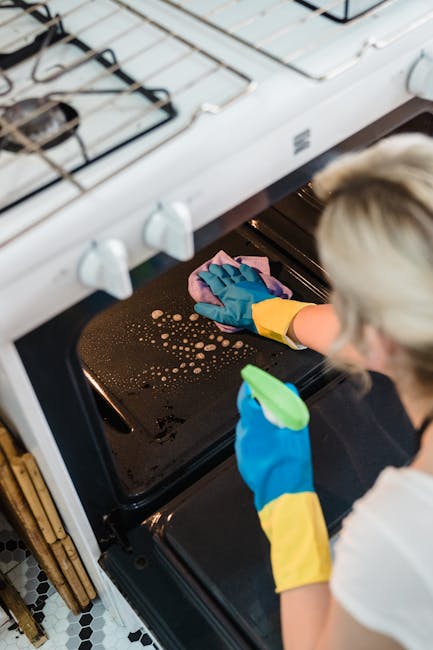
Remove racks, trays, and any loose liners. If your oven has heavy grease deposits, let the cleaning product sit long enough to soften them rather than scrubbing immediately. For most ovens, the real trick is patience. Wiping too soon just smears residue around.
Clean the door glass with a non-abrasive cloth and pay attention to the edge of the seal. That area gets overlooked all the time and can hold surprising amounts of grime. If your oven has self-cleaning functions, follow the manufacturer instructions carefully. No guesswork. Really.
4. Clean the hob and splashback
Gas hobs, ceramic hobs, and induction surfaces all need slightly different care, but the principle is the same: loosen grease, wipe gently, and dry properly. For splashbacks, a warm damp cloth usually removes everyday splatter faster than people expect.
5. Deal with the extractor
Wipe the outer casing and clean the grease filters if they are removable. In flats, the extractor often works hard because ventilation is limited. If you notice reduced airflow or strong lingering smells, the filters may need attention before anything else in the room feels truly clean.
6. Finish cupboards, handles, and high-touch points
Cabinet fronts, drawer handles, fridge doors, and light switches collect fingerprints, oil, and dust. These details are small, but they make the room feel genuinely clean rather than just "clean-ish".
7. End with sinks and floors
Once the greasy work is done, clean the sink, tap, and floor last. That way crumbs, drips, and cleaning residue can be removed in one final pass. Use a separate cloth for the floor if possible. Kitchen floors in flats can pick up grit quickly, especially near the entrance.
Expert Tips for Better Results
Here's where a little experience goes a long way. These are the kinds of things people learn after a few frustrating cleans and one overly ambitious Sunday afternoon.
- Soften first, scrub second: baked-on grease comes off far more easily after a soak or dwell time.
- Use microfibre cloths wisely: one for grease, one for rinsing, one for drying. Mixing them up just spreads residue around.
- Mind the seals and corners: grime loves edges, hinges, and the underside of handles.
- Work in sections: cleaning the whole kitchen in one wild burst often leads to missed spots and fatigue.
- Keep a small maintenance kit nearby: a cloth, a gentle degreaser, and a scraper suitable for the surface can stop messes turning into projects.
One practical observation from flat kitchens: if a stain is fresh, clean it straight away. Ten seconds now can save ten minutes later. That is not an exaggeration. A splatter that has not dried yet is a gift, basically.
If you are cleaning before a tenancy inspection, pay special attention to oven glass, the inside edges of the cooker, and the space behind moveable appliances. Those are inspection favourite zones. Always have been.
Common Mistakes to Avoid
Most kitchen cleaning problems are not caused by a lack of effort. They come from using the wrong method or cleaning in the wrong order. Easy mistake. Happens all the time.
- Using abrasive pads on delicate finishes: they can scratch stainless steel, enamel, and glass surfaces.
- Spraying too much product: more cleaner does not automatically mean better results.
- Ignoring ventilation: especially in a small flat, trapped fumes and moisture make the room unpleasant fast.
- Cleaning around clutter: this leads to missed areas and more rework later.
- Forgetting the extractor and filters: these are often the reason a kitchen still smells cooked, even after the oven looks clean.
- Mixing cleaning chemicals: never combine products unless the labels clearly say it is safe. If in doubt, don't.
Another common issue is starting with the floor. It feels satisfying at first, then crumbs and grease land on it while you clean the rest of the room. A tiny tragedy, but a real one.
Tools, Resources and Recommendations
You do not need a huge kit to clean a flat kitchen properly. In fact, keeping the toolset simple often works better because you are more likely to use it consistently.
| Tool or Item | Best Use | Why It Helps in Flats |
|---|---|---|
| Microfibre cloths | Wiping, polishing, drying | Compact, reusable, and good for multiple surfaces |
| Non-abrasive sponge | Light grease removal | Gentle on glass, enamel, and laminate finishes |
| Gentle degreaser | Oven fronts, hobs, extractor casing | Targets kitchen grease without heavy scrubbing |
| Small scraper suitable for cookers | Baked-on spots on approved surfaces | Useful when residue has hardened |
| Vacuum with attachment | Crumbs, debris, floor edges | Helps in tight flat kitchens where crumbs gather quickly |
| Protective gloves | Hand protection during deeper cleaning | Helpful for longer jobs and repeated product use |
It can also help to have a cleaning caddy, even in a small flat. Keep it simple. A bottle, a cloth, gloves, and a sponge are usually enough. No need to turn the cupboard under the sink into a laboratory.
If you are comparing professional help, look at service transparency, care for surfaces, and how they handle safety and access in shared buildings. For example, you may want to review the company's about us information and check their insurance and safety details before booking. If you are weighing up budget and scope, their pricing and quotes page can be a useful starting point.
Law, Compliance, Standards, or Best Practice
For domestic flat kitchens, the main focus is safe practice rather than formal regulation. That said, a few sensible standards are worth keeping in mind. Cleaners and residents alike should avoid unsafe chemical mixing, ensure good ventilation, and follow product instructions carefully. If you are using services in a building with shared access, it is also sensible to respect building rules and keep common areas tidy while moving equipment in and out.
In the UK, reasonable care around health and safety is part of everyday good practice. That means being cautious with slippery floors, keeping cleaning products out of reach of children, and avoiding anything that could damage electrical fittings or cooker components. If a task feels beyond what is safe to do yourself, especially with stubborn grease or awkward appliance access, it is better to pause and choose a different approach.
For peace of mind, many people prefer companies that set out their approach to safe working, customer care, and privacy clearly. It is worth reading the relevant policy pages, such as health and safety guidance, privacy information, and terms and conditions. That is not paperwork for the sake of it. It tells you how seriously the provider treats the basics.
Options, Methods, or Comparison Table
There are a few different ways to approach oven and kitchen cleaning in a flat. Each has its place, depending on time, stubbornness of the grime, and how much elbow grease you are willing to donate to the cause.
| Method | Best For | Pros | Trade-Offs |
|---|---|---|---|
| Regular light cleaning | Weekly upkeep | Fast, low effort, stops build-up | Will not remove heavy baked-on residue |
| DIY deep clean | Moderate grease and routine maintenance | Cost-effective, flexible timing | Can be time-consuming and tiring |
| Professional oven and kitchen clean | Heavy build-up, tenancy changes, time-poor households | Thorough, efficient, less physical effort | Costs more than doing it yourself |
In many flats, the best strategy is a hybrid one. Keep up with weekly wiping and surface cleaning yourself, then bring in deeper support when the oven, extractor, or cupboards need more attention. That balance usually gives the best result for the least stress.
Case Study or Real-World Example
Here is a realistic scenario. A tenant in a compact one-bedroom flat on Pinner Road notices the kitchen always smells slightly burnt after cooking, even when nothing is actively on the stove. The oven door has a dark film, the extractor filter is sticky, and the cupboard handles near the hob feel tacky. Nothing outrageous, just that slow, creeping build-up that flat kitchens are famous for.
The first step is not to attack everything at once. They clear the surfaces, remove the oven racks, and let a suitable cleaner sit while they wipe the cupboards and splashback. Then they clean the filter, revisit the oven interior, and finish with the floor and sink. The kitchen does not just look better. It feels lighter. Smells better too.
Now imagine the same kitchen left for another three months. The residue hardens, the smell lingers longer, and the clean becomes a much longer job. That is the difference a sensible routine makes. Small maintenance, big payoff. Simple, but easy to forget when life gets busy.
Practical Checklist
Use this checklist before, during, or after your kitchen clean. It helps keep the process structured without making it feel like paperwork.
- Clear worktops, tables, and window ledges.
- Open a window or switch on the extractor for airflow.
- Remove oven racks, trays, and loose accessories.
- Pre-treat greasy spots and allow time for the cleaner to work.
- Wipe from top surfaces down to lower ones.
- Clean oven glass, door edges, and seals carefully.
- Degrease the hob, splashback, and surrounding tiles.
- Clean extractor casing and filters if applicable.
- Wipe handles, switches, cupboard fronts, and appliance doors.
- Finish with sink, tap, and floor.
- Dry surfaces fully to avoid streaks and residue.
- Put items back only when all surfaces are dry and cool.
Quick takeaway: if you keep the oven, hob, and extractor under control, the rest of the kitchen becomes much easier to maintain. Most of the battle lives in those three areas.
If you would rather not spend your evening scrubbing a stubborn oven door, it may be worth comparing local options and asking a few direct questions. A good provider should be clear about scope, safety, and what happens if something is not quite right. When you are ready, you can use the company's contact page to ask about availability and discuss what your flat actually needs.
Get a free quote today and see how much you can save.
Conclusion
Good oven and kitchen cleaning in a flat is less about grand gestures and more about steady, sensible habits. Clear the space, work from top to bottom, handle grease before it hardens, and give the extractor the attention it deserves. That basic rhythm goes a long way in smaller London homes where cooking smells, limited space, and busy routines all compete for attention.
For Pinner Road flats, the best results usually come from combining regular upkeep with the occasional deeper clean. That way, the kitchen stays presentable, safer, and far less stressful to use. And honestly, there is something quietly satisfying about walking into a kitchen that smells clean instead of cooked. Small win, but a real one.
If you need extra support, choose a provider that is transparent, careful, and easy to deal with. The right help should make your life simpler, not more complicated. That's the point, after all.
Frequently Asked Questions
How often should I deep clean an oven in a flat?
It depends on how often you cook and what you make, but many people find a light clean every week or two and a deeper clean every few months works well. If you roast, grill, or fry often, you may need to do it more often.
What is the best way to remove baked-on grease?
Let the cleaner or soaking method do the work first. Once the residue softens, wipe or scrape gently with a suitable tool. Rushing the process usually just spreads grease around.
Can I clean the oven and kitchen myself, or should I hire help?
You can absolutely handle routine cleaning yourself if the build-up is light to moderate. If the oven is heavily soiled, the extractor is greasy, or you are short on time, professional help may be the easier route.
Are oven and kitchen cleaning tips different for flats compared with houses?
Yes, a bit. Flats usually have smaller spaces and less ventilation, so airflow, order of cleaning, and keeping products controlled become even more important. The compact layout makes good sequencing more valuable.
What areas do people miss most often?
Extractor filters, oven door edges, cupboard handles, switch plates, skirting near cooking areas, and the gaps behind movable appliances are all easy to forget. Those areas often hold more grime than you would expect.
How do I stop my kitchen from smelling greasy all the time?
Clean the oven, hob, splashback, and extractor regularly. Grease odours usually come from build-up on these surfaces, not just from the food itself. Fresh air helps too, especially after cooking.
What should I avoid using on my oven glass?
Avoid harsh abrasives or anything likely to scratch the surface. It is usually safer to use a non-abrasive cloth and a product suitable for cooker glass, following the instructions carefully.
Do I need to clean inside the extractor hood too?
If the filters are removable and accessible, yes, that is often worth doing. A greasy extractor can keep a kitchen smelling stale even after the oven itself looks spotless.
How long does a thorough kitchen clean usually take?
For a small flat kitchen, it can take anywhere from under an hour for light maintenance to several hours for a deep clean, depending on the condition of the oven and the amount of grease build-up.
Is it safe to clean around electrical appliances with water?
Only use damp cloths, not soaking wet ones, and keep moisture away from sockets, plugs, and exposed electrical areas. If you are unsure, switch appliances off first and clean carefully around them.
What should I check before booking a cleaning service?
Look at what is included, how the provider handles safety and insurance, and whether their pricing and terms are clear. It also helps to understand their complaints process and any booking conditions before you confirm.
Can regular kitchen cleaning really make a difference in a small flat?
Definitely. In a small flat, grease and odours build up faster because there is less space for them to disperse. Regular cleaning keeps the room fresher, easier to use, and less overwhelming to tackle later.