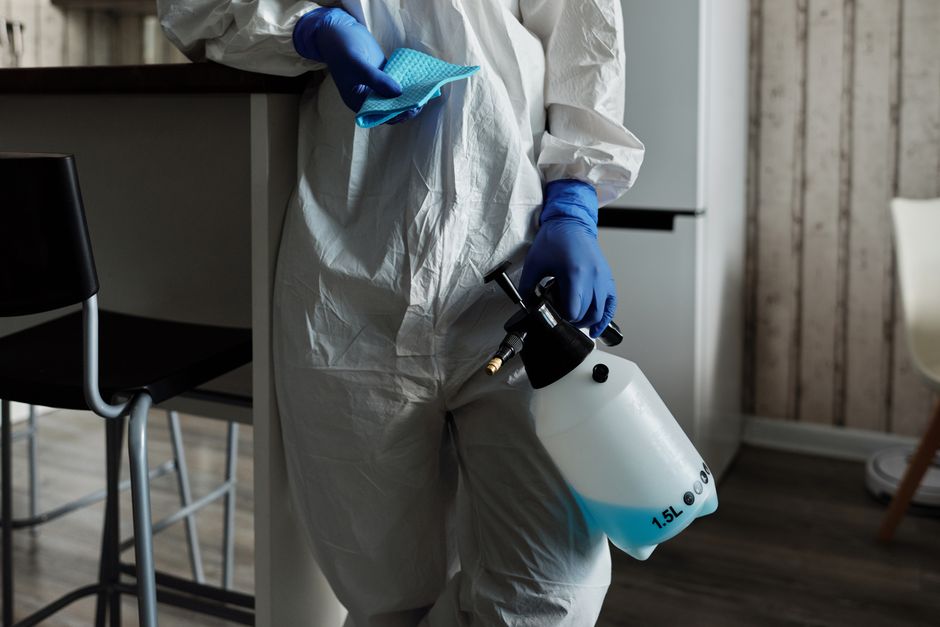
End of tenancy cleaning case study HA1 flat turnaround
If you are dealing with a move-out in Harrow and the flat needs to look presentable fast, you already know the pressure. One missed skirting board, one greasy hob ring, one dusty window track - and suddenly the whole handover feels shakier than it should. This End of tenancy cleaning case study HA1 flat turnaround looks at what a proper last-minute reset usually involves, why it matters, and how to approach it without wasting time or money.
The goal here is simple: help you understand what a real turnaround looks like in a HA1 flat, how professional cleaning is typically organised, and what to check before the keys change hands. Fair warning, though - end of tenancy work is rarely just "a quick clean." It is more like a methodical restoration of order, and that difference matters.
Why End of tenancy cleaning case study HA1 flat turnaround Matters
End of tenancy cleaning is not just about making a flat "look tidy." It is about returning the property to a condition that feels ready for inspection, re-letting, or final sign-off. In HA1, where flats can be compact, high-traffic, and often lived in for years, small details stand out quickly. Dust on top of kitchen units, limescale around taps, built-up bathroom residue, and neglected edges around doors can make an otherwise decent flat look tired.
A proper turnaround matters because tenancy transitions are time-sensitive. The cleaner the handover, the smoother the landlord, agent, or incoming inventory check tends to be. That does not guarantee a perfect outcome, of course, but it reduces avoidable friction. And let's face it, nobody wants to be arguing over oven trays or extractor fans on moving day.
There is also a practical side. A well-executed turnaround helps separate normal wear from avoidable dirt. That distinction is often where disputes begin. A flat that has been deep-cleaned properly gives everyone a clearer baseline, which is a small mercy when people are already juggling removals, deposits, and final paperwork.
If you want the broader service context, it can help to understand how end of tenancy cleaning differs from routine upkeep or deep cleaning. The jobs overlap, but the expectations are not quite the same.
How End of tenancy cleaning case study HA1 flat turnaround Works
A flat turnaround usually starts with a walk-through. The cleaner or team checks the property room by room, looking for high-impact areas: kitchen appliances, bathroom fixtures, floors, internal glass, dust buildup, and any marks on paintwork or fittings. In a HA1 flat, space can be tight, so efficient sequencing matters. You do not want to mop a floor before the upper shelves and light fixtures have been dealt with. That is just creating extra work. A bit annoying, really.
From there, the work is typically split into zones. Kitchens and bathrooms usually come first because they require the most detailed attention and the strongest degreasing or descaling approach. Living rooms and bedrooms follow with dust removal, vacuuming, spot cleaning, and edge work. Internal windows, frames, sills, and skirting boards are usually part of the finish, not an afterthought.
The "turnaround" part of the process is all about momentum. The team needs to move briskly without becoming sloppy. Professional cleaners will often start high and work down: cobwebs, light fittings, tops of cabinets, then surfaces, then floors. That reduces re-contamination and helps the property feel progressively cleaner as the job unfolds. You can almost sense the room settling into order as the hours go on.
In many cases, the turnaround also includes specialist tasks that are easy to underestimate. Oven cleaning, interior fridge cleaning if agreed, carpet cleaning, upholstery spot treatment, and hard floor attention can make a huge difference to the final result. For some properties, pairing the move-out clean with oven cleaning or carpet cleaning is what turns a decent clean into a genuinely handover-ready finish.
Key Benefits and Practical Advantages
The obvious benefit is presentation. The less obvious benefit is control. When the flat is cleaned systematically, you reduce the chance of last-minute arguments over cleanliness standards. That matters whether you are a tenant trying to close out a tenancy, a landlord getting the property ready again, or an agent managing a fast re-let.
- Better handover confidence: every room is treated consistently, so no part of the flat feels forgotten.
- Less stress on moving day: moving is chaotic enough without scrubbing grout at 9 pm.
- Improved first impression: a clean flat feels brighter, fresher, and more cared for.
- Reduced re-clean risk: detailed attention to kitchens and bathrooms lowers the chance of complaints.
- More efficient turnaround: a clear plan saves time compared with random, room-by-room tidying.
There is also a commercial angle. For landlords and letting teams, turnaround speed can influence how quickly a property is ready to view again. For tenants, a smoother clean can reduce the likelihood of a messy dispute. Not every deposit issue is caused by cleanliness, but cleanliness problems are among the easiest to avoid. It is one of those unglamorous truths.
When the property needs a broader refresh, services such as window cleaning or professional carpet care can add that final polished finish that makes the whole place feel properly reset.
Who This Is For and When It Makes Sense
This kind of turnaround is relevant to several groups. Tenants use it when they are leaving a flat and want to leave the place in good shape. Landlords use it when they need a property returned to rental standard. Managing agents use it when speed and consistency matter. Even homeowners selling a flat can benefit from a similar approach, especially if the space has accumulated everyday wear over time.
It makes most sense when the property has been lived in normally, rather than lightly used. A compact HA1 flat can look clean at a glance and still hide residue in places people forget about: behind radiators, under appliances, on top of shower screens, around extractor vents, and inside cupboard handles. That is where a structured clean earns its keep.
If the property has been occupied for a long period, if pets have been present, or if there has been heavy cooking, the clean becomes even more valuable. The same goes for flats with older fittings. Old fittings are not a disaster, but they can hold onto grime in ways that make a fast clean a bit trickier. You know the sort of thing - the tap that looks shiny until the light hits it just right.
For residents who also need general household support before or after a move, services like house cleaning, domestic cleaning, or one-off cleaning can be useful bridges between everyday upkeep and a formal move-out clean.
Step-by-Step Guidance
Here is a practical sequence that works well for a flat turnaround. It is not glamorous, but it is effective.
- Do a pre-clean inspection. Walk the flat slowly. Note stains, damage, limescale, greasy areas, and any items left behind.
- Clear the space. Remove personal belongings, bin bags, forgotten drawer items, and loose clutter. Cleaning around stuff always slows things down.
- Start with dusting and dry debris. Skirting boards, shelves, light fittings, vents, and high ledges should be handled before wet cleaning begins.
- Move into the kitchen. Degrease surfaces, clean cupboard fronts, sinks, splashbacks, appliance exteriors, and the oven if included.
- Deep clean the bathroom. Focus on taps, drains, shower glass, toilet bases, tile edges, and any scale around fittings.
- Treat floors and soft furnishings. Vacuum thoroughly, mop hard floors, and address carpets or upholstery where relevant.
- Finish with detail work. Polish mirrors, wipe switches and handles, clean internal glass, and check edges and corners.
- Review the result. Do a final pass with natural daylight if possible. Morning light is unforgiving, but helpful.
A useful trick is to clean in the same order every time. Kitchens, bathrooms, living spaces, bedrooms, then final inspection. The order itself is less important than consistency. When a team repeats a reliable workflow, the turnaround becomes smoother and more predictable.
If the flat has stubborn appliance build-up, pairing the clean with oven cleaning makes a noticeable difference. If there are marks or traffic wear on soft furnishings, upholstery cleaning may be the smarter call than trying to spot-treat everything by hand.
Expert Tips for Better Results
One of the biggest mistakes people make is cleaning too superficially. A sparkling counter does not cancel out greasy hinges, dusty tops of doors, or a grimy extractor filter. The eye catches detail faster than people expect, especially in smaller flats where each room is viewed up close.
From experience, the best results usually come from three habits:
- Work methodically, not emotionally. It is easy to jump between rooms when you feel rushed. Resist that. Finish one zone properly.
- Use dwell time wisely. Let suitable cleaning products sit long enough to break down grime before wiping. Rushing this step often means scrubbing twice.
- Inspect what the light reveals. Shine on stainless steel, bathroom glass, and dark floor corners is very honest. It shows everything.
It also helps to check ventilation and moisture during the clean. In compact HA1 flats, bathrooms can steam up fast, and damp surfaces can make a finished room feel less complete. A small pause for airing can improve the final result more than people realise. Strange, but true.
Finally, be realistic about what needs specialist attention. If a carpet is heavily marked or the sofa has ingrained dirt, asking a general cleaner to "just sort it" may not be enough. The better route is to use the right service for the right surface. Cleaner outcome, less drama.
Common Mistakes to Avoid
Move-out cleans go wrong for predictable reasons. The good news is that most of them are avoidable.
- Leaving it too late: a same-day rush often creates missed details and tired decision-making.
- Ignoring hidden surfaces: behind radiators, inside cupboards, under beds, and around appliance seals are classic trouble spots.
- Using the wrong product: harsh or unsuitable cleaners can damage finishes, especially on delicate surfaces.
- Forgetting appliances: ovens, fridges, and hobs are often the first places people check.
- Not doing a final inspection: the final 10 minutes can save a lot of back-and-forth later.
Another subtle issue is overestimating what a quick tidy can achieve. A tidy flat is not the same as a professionally cleaned one. That sounds obvious, but in the middle of a move, common sense tends to evaporate a little. People are busy, keys are due, the van is waiting, and suddenly the dust on the top shelf becomes invisible until the very end.
If there has been a lot of general wear and tear, or if the property needs clearing before a clean, a broader service such as house clearance can sometimes make the whole project easier to manage. Less clutter, fewer obstacles, better results.
Tools, Resources and Recommendations
You do not need a complicated kit to achieve a good result, but you do need the basics done well. A sensible move-out clean usually relies on:
- a strong vacuum with attachments
- microfibre cloths for dusting and polishing
- mop and bucket for hard floors
- safe degreaser for kitchen surfaces
- descaler or limescale remover for bathrooms
- glass cleaner for mirrors and internal windows
- scrubbing pads, soft brushes, and detail tools for corners
Choosing the right cleaning company matters too. Look for a team that understands end of tenancy expectations, communicates clearly, and can explain how they handle different surfaces. A reliable cleaning company should be able to talk through process, access, timing, and what happens if certain items need extra work.
If you are comparing support options, it may also help to review pricing and quotes in a straightforward way, so you know what is included before you commit. Transparent pricing always feels better than fuzzy promises.
For jobs that involve hard floors, especially kitchens and hallways, hard floor cleaning can be the practical finishing touch. And if the flat has lingering dust or residue from decorating work, after builders cleaning may be the more suitable starting point before the final handover clean.
Law, Compliance, Standards, or Best Practice
End of tenancy cleaning itself is not usually a specialist legal process, but it sits inside a broader framework of tenancy obligations, property condition, and fair handover practice. In the UK, the exact expectations can depend on the tenancy agreement, the property's condition at move-in, and the inventory or check-in record. That is why clear before-and-after evidence is so useful.
Good practice usually means:
- cleaning to a condition that is reasonably consistent with the property's starting point and age
- keeping a record of what was cleaned, especially for larger or more detailed jobs
- using cleaning methods that are safe for the materials involved
- handling products and equipment with care around occupants, pets, and finishes
Where health and safety is concerned, a professional cleaning business should work with sensible procedures, suitable products, and proper risk awareness. If you want a better sense of operational standards, reading a provider's health and safety policy and insurance and safety information can be reassuring. It is not flashy, but it matters.
For customer data, payments, and service terms, it is also sensible to check the business pages on payment and security, privacy policy, and terms and conditions. Those pages help set expectations before anyone starts moving furniture around.
Options, Methods, or Comparison Table
Not every flat turnaround needs the same level of support. The right choice depends on time, condition, and how exacting the handover needs to be.
| Option | Best for | Strengths | Trade-offs |
|---|---|---|---|
| DIY move-out clean | Lightly used flats with limited build-up | Low cost, flexible timing | Time-consuming, easy to miss details, tiring during a move |
| General one-off clean | Properties needing a reset but not a full tenancy-standard finish | Helpful for broad surface refreshes | May not cover specialist handover expectations |
| End of tenancy clean | Move-outs, re-letting, inventory-driven handovers | Structured, detailed, more aligned with tenancy needs | Usually more thorough, so it takes planning |
| Deep clean with extras | Heavier dirt, pets, ovens, carpets, upholstery, or hard floors | Best for stubborn buildup and visible wear | May require multiple services or more time |
For many HA1 flats, the middle path is often best: a proper end of tenancy clean with targeted extras where needed. That could mean oven work, carpet treatment, or internal glass cleaning. The point is not to do more for the sake of it. The point is to do the right things in the right order.
Case Study or Real-World Example
Here is a realistic example of how a flat turnaround can unfold in practice. A compact HA1 flat had standard move-out wear: cooking residue in the kitchen, bathroom limescale, dusty bedroom corners, and a few dull marks on floors and fittings. Nothing dramatic. Just the sort of accumulation that makes a place feel older than it really is.
The team began with a full walk-through and noted the highest-risk areas. The kitchen was prioritised first, especially the hob, sink, cupboard fronts, and oven. Bathroom work followed with careful descaling and edge detailing. After that came bedroom and living-room dust removal, internal glass, skirting boards, and a final pass on floors.
One small but important detail was the internal window tracks. They are easy to skip, and people often do. But in a flat with a lot of daylight, those tracks can quietly spoil the overall finish. Once cleaned, the room immediately felt sharper and less neglected. It is a tiny thing. Still counts.
The lesson from this type of turnaround is straightforward: the visible clean matters, but the edges make the difference. Handles, corners, seals, and ledges are where professional thoroughness shows through. If you only remember one thing from this example, let it be that.
In situations where the property has more residue than expected, a combination of carpet cleaning, oven cleaning, and detailed window cleaning can lift the final result in a very noticeable way.
Practical Checklist
Use this simple checklist before the handover. It keeps things grounded when the move is getting noisy and everyone is a bit tired.
- Remove all belongings and rubbish
- Check every cupboard, drawer, and shelf
- Clean kitchen appliances inside and out if included
- Wipe down taps, sinks, and bathroom fittings
- Remove dust from skirting boards, switches, and handles
- Vacuum carpets and edges carefully
- Mop hard floors and let them dry fully
- Clean mirrors, glass, and internal windows
- Spot-check walls and marks where safe to do so
- Do a final inspection in natural light if possible
Expert summary: A strong HA1 flat turnaround is not about dramatic scrubbing. It is about sequence, detail, and finishing the overlooked areas that make a property feel genuinely ready for the next person.
Conclusion
An end of tenancy clean in a HA1 flat works best when it is treated like a proper turnaround, not a rushed tidy-up. The combination of planning, methodical cleaning, and attention to the small details is what helps a property feel ready for inspection and re-occupation. That is the real value here.
Whether you are leaving, letting, or preparing a flat for a new chapter, the right approach saves time, reduces stress, and makes the handover feel cleaner and calmer. No one needs perfection for its own sake. They need a flat that is genuinely ready.
Get a free quote today and see how much you can save.
And if the move feels a bit overwhelming right now, that is normal. One room at a time, one detail at a time - it comes together.
Frequently Asked Questions
What does end of tenancy cleaning usually include in a flat turnaround?
It usually includes detailed cleaning of the kitchen, bathroom, living areas, bedrooms, floors, internal glass, skirting boards, and touchpoints like handles and switches. If agreed, it may also include ovens, carpets, and upholstery.
How is an HA1 flat turnaround different from regular cleaning?
A turnaround is more detailed and inspection-focused. Regular cleaning maintains a property. End of tenancy cleaning is designed to return it to a handover-ready condition, which means less surface tidying and more careful detailing.
How long does a typical flat turnaround take?
It depends on the size of the flat, how much build-up there is, and whether extras are included. A compact flat can still take several hours if the kitchen and bathroom need close attention.
Do I need oven cleaning as part of end of tenancy cleaning?
Often, yes, especially if the oven is visibly dirty or the tenancy agreement expects it to be cleaned. A greasy oven is one of the most common points of complaint, so it is worth checking before the handover.
Can carpets be cleaned on the same visit?
Yes, if the service is arranged in advance and the carpet condition allows it. Pairing the move-out clean with carpet treatment can improve the overall finish quite a lot, especially in living rooms and bedrooms.
What should I do before the cleaners arrive?
Remove personal items, empty cupboards, dispose of rubbish, and make sure the property can be accessed easily. The less clutter left behind, the faster and more effective the clean will be.
Is a one-off clean enough for a tenancy handover?
Sometimes, but not always. A one-off clean can be useful for a refresh, yet tenancy handovers usually benefit from a more structured end of tenancy approach because the standards are more exacting.
What are the most commonly missed areas?
Top of cabinets, behind appliances, window tracks, skirting boards, extractor fans, door frames, and bathroom seals. These are the little places that tend to show up in a final inspection.
How do I know if a cleaning company is trustworthy?
Look for clear service information, sensible policies, transparent pricing, and professional communication. It also helps if the company explains what is included and what counts as an extra task before the clean starts.
Can a deep clean replace an end of tenancy clean?
Not always. A deep clean can be very useful, but end of tenancy cleaning is usually more focused on handover standards and the typical expectations around a moved-out property.
What if the flat has heavy wear or leftover clutter?
If there is a lot of clutter, a clearance step first may help. If there is heavy residue or stubborn buildup, a deeper clean or specialist surface treatment may be needed before the flat feels truly ready.
Should I clean the flat myself or book a professional service?
If you have time, energy, and the right tools, DIY can work for light jobs. But for tighter deadlines, detailed inspections, or flats with visible buildup, a professional service is often the calmer and more reliable route.